Read More: Culinary History of Coleslaw Salad Mix
Ancient Origins: Cabbage and Vinegar – A Longstanding Partnership
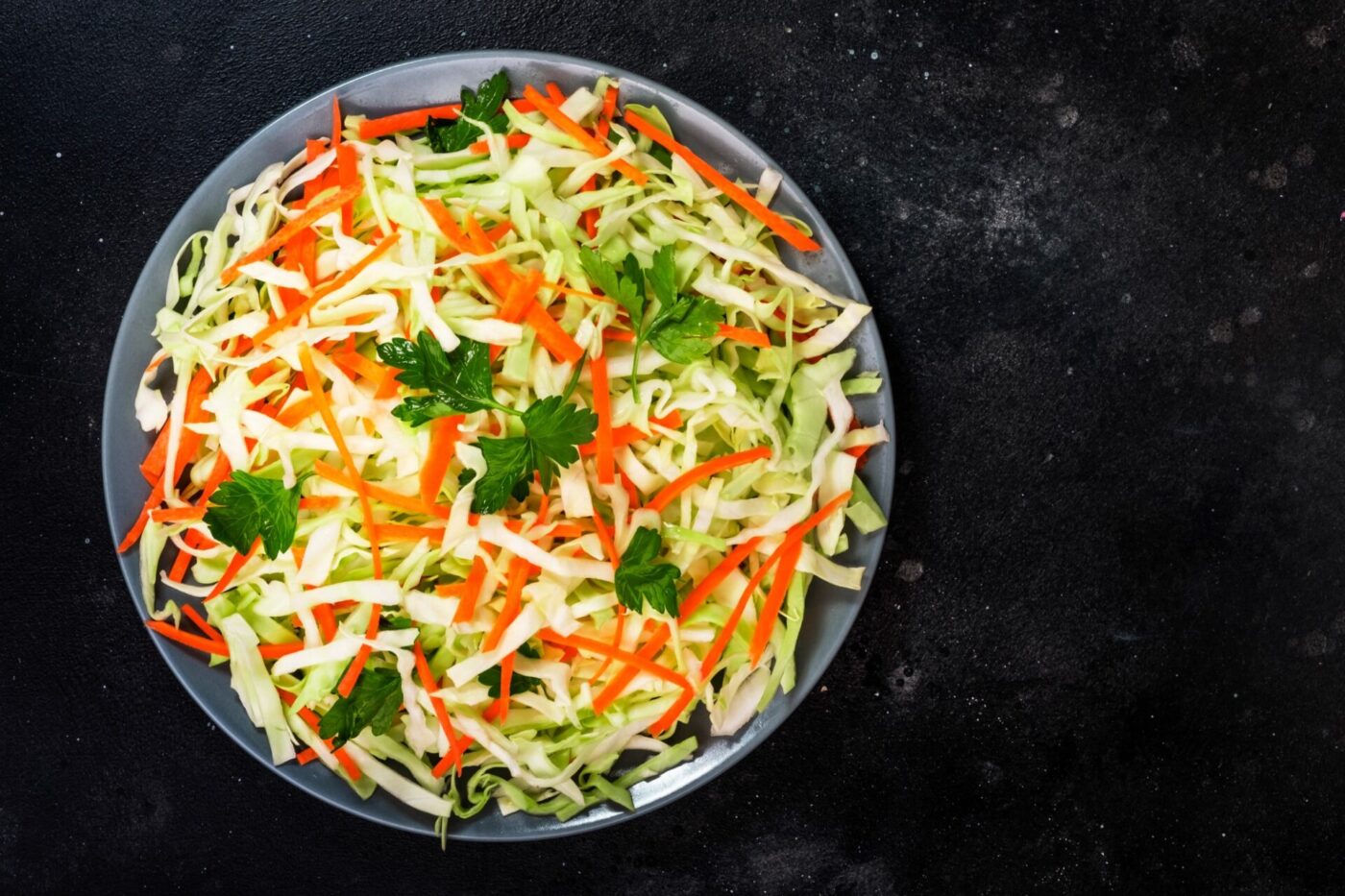
The fundamental concept of coleslaw – shredded cabbage dressed with a vinegar-based sauce – has ancient origins. Cabbage itself has been cultivated for thousands of years, with evidence of its use dating back to ancient China, Egypt, Greece, and Rome.
The ancient Romans, in particular, were known to consume a dish that can be considered a direct ancestor of coleslaw. The Roman writer Cato the Elder, in his book De Agri Cultura (On Agriculture) from the 2nd century BCE, describes a dish of shredded cabbage dressed with vinegar, eggs, and spices. This simple combination of ingredients highlights the basic elements that would define coleslaw for centuries to come.
The Dutch Connection: “Koolsla” and the Birth of the Name
While the concept of shredded cabbage salad existed in various forms, the modern name “coleslaw” has its roots in the Dutch language. The term “koolsla” is a combination of “kool” (cabbage) and “sla” (salad). Dutch immigrants brought this dish to the American colonies, particularly to New York (formerly New Amsterdam), in the 17th and 18th centuries.
The early “koolsla” recipes were likely quite simple, reflecting the ingredients readily available to Dutch settlers. They typically involved shredded cabbage dressed with a mixture of melted butter, vinegar, and sometimes spices. This early version was closer to the Roman ancestor than many modern coleslaws, lacking the creamy mayonnaise-based dressings that are now so common.
The Mayonnaise Revolution: A 19th-Century Transformation
The 18th century saw the invention of Mayonnaise, however it was not until the 19th century that mayonnaise truly began to revolutionize coleslaw. This creamy emulsion of oil, egg yolks, and vinegar (or lemon juice) provided a richer, smoother dressing that significantly altered the texture and flavor profile of the salad.
The rise of commercial mayonnaise production in the late 19th and early 20th centuries made this ingredient more accessible and affordable, further accelerating its incorporation into coleslaw recipes. Mayonnaise-based coleslaw quickly became the dominant style in the United States, and it remains so today.
Regional Variations: A Kaleidoscope of Flavors and Textures
As coleslaw spread across the United States and beyond, it diversified into numerous regional variations, reflecting local tastes, available ingredients, and cultural influences. Some notable examples include:
- Creamy Coleslaw (American Style): The most common type in the US, featuring a mayonnaise-based dressing, often with added sugar, vinegar, and sometimes celery seed or other spices.
- Vinegar-Based Coleslaw (e.g., North Carolina Coleslaw): Popular in the Southern US, particularly in North Carolina, this style emphasizes a tangy vinegar dressing, often with little or no mayonnaise. It’s frequently served with barbecue, especially pulled pork.
- Memphis Coleslaw: A variation of vinegar-based coleslaw, often using mustard in addition to vinegar, giving it a distinctive yellow color and tangy flavor.
- German Coleslaw: Typically made with a hot bacon dressing, often including vinegar, sugar, and sometimes mustard.
- Asian Coleslaw: Incorporates Asian flavors, such as soy sauce, sesame oil, ginger, and rice vinegar. It may also include ingredients like shredded carrots, peanuts, and cilantro.
- Red Slaw: A variation popular in Lexington, North Carolina, replaces mayo with a ketchup and vinegar mixture.
These are just a few examples of the many regional and cultural variations of coleslaw. The specific ingredients and proportions can vary widely, even within a single region.
Beyond Cabbage: Expanding the Definition
While cabbage remains the defining ingredient of coleslaw, the definition has broadened over time to include variations that incorporate other vegetables:
- Broccoli Slaw: Uses shredded broccoli stalks instead of, or in addition to, cabbage.
- Carrot Slaw: Features shredded carrots as the primary ingredient, often with a sweet and tangy dressing.
- Brussels Sprout Slaw: Uses thinly sliced or shredded Brussels sprouts, often with a vinaigrette dressing.
These variations retain the basic concept of a shredded vegetable salad with a dressing, but they expand the flavor and texture possibilities of coleslaw.
Coleslaw in Modern Cuisine: A Versatile Side Dish
Today, coleslaw remains a popular and versatile side dish, particularly in American cuisine. It’s a common accompaniment to:
- Barbecue: The cool, creamy (or tangy) coleslaw provides a refreshing contrast to the rich, smoky flavors of barbecued meats.
- Fried Foods: Its acidity and crispness cut through the richness of fried foods, such as fried chicken or fish.
- Sandwiches and Burgers: Coleslaw is often used as a topping for sandwiches and burgers, adding texture and flavor.
- Picnics and Potlucks: It’s a classic dish for outdoor gatherings, as it can be made ahead of time and travels well.
The Future of Coleslaw: Continuing Evolution
Coleslaw’s culinary journey is far from over. As culinary trends evolve and new ingredients become popular, coleslaw will likely continue to adapt and diversify. We can expect to see new variations incorporating:
- Global Flavors: Influences from various world cuisines, such as Mexican, Korean, or Indian, will continue to inspire new coleslaw recipes.
- Healthier Options: Lighter dressings using yogurt, avocado, or tahini instead of mayonnaise will cater to health-conscious consumers.
- Unusual Vegetables: Experimentation with different vegetables, such as kohlrabi, fennel, or jicama, will expand the definition of coleslaw even further.
Coleslaw’s enduring popularity, from its ancient Roman roots to its modern-day variations, is a testament to its simple yet satisfying appeal. It’s a dish that embodies both tradition and adaptability, reflecting the ever-changing landscape of culinary tastes and preferences. Its story highlights the power of simple ingredients, transformed by cultural influences and culinary innovation, to create a dish that has stood the test of time.

 Tom the Chef Founder
Share
Click on the icons below to share "Title of the item to share"