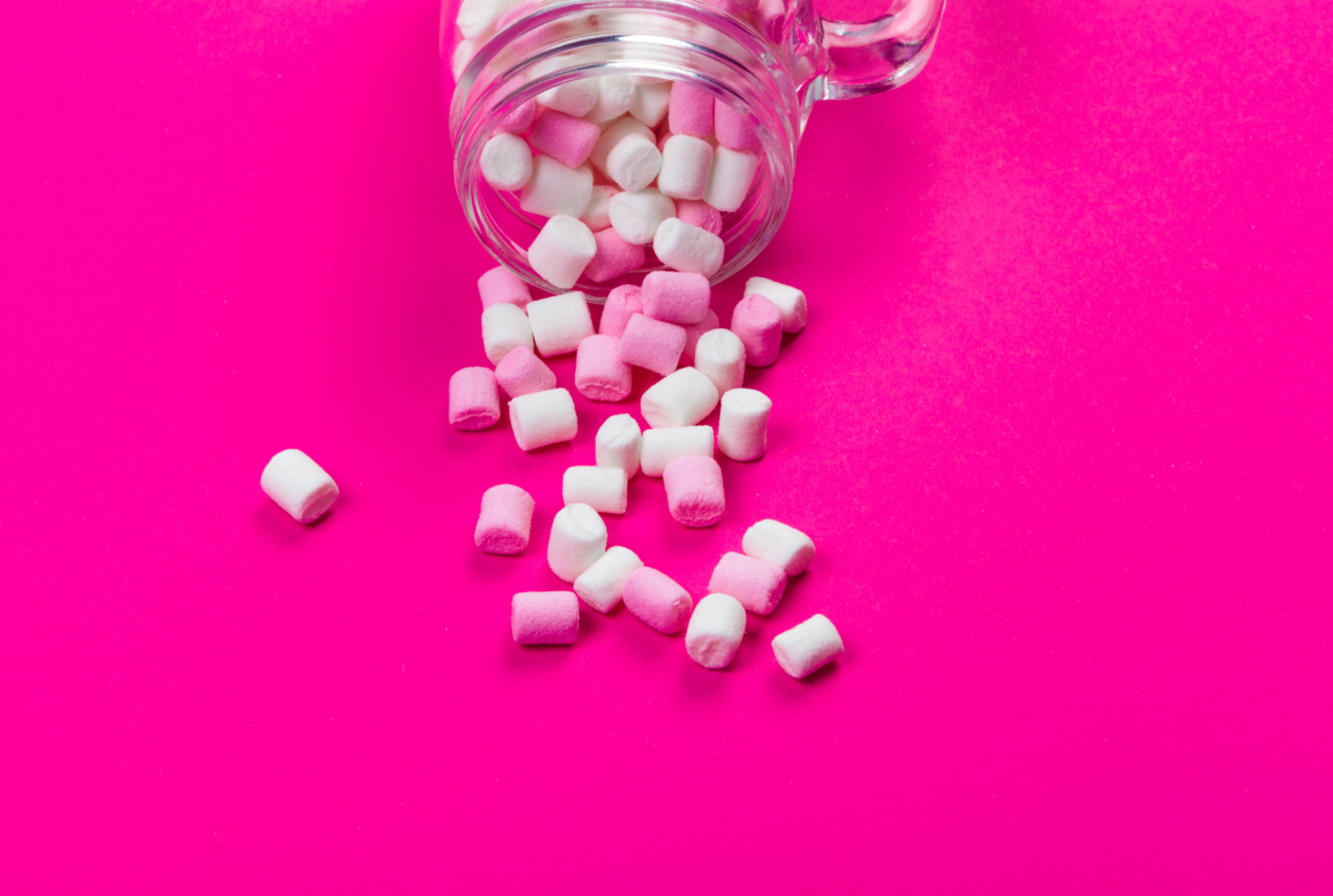
Mini Marshmallows
Mini marshmallows, those adorable, diminutive versions of the classic confection, offer a delightful combination of sweetness, texture, and convenience. These tiny treats, typically made from sugar, corn syrup, gelatin, and water, pack a flavorful punch in every bite. Their small size and quick melting properties make them a versatile ingredient in a wide array of culinary creations, adding a touch of whimsy and sweetness to both sweet and savory dishes.
Introduction to Mini Marshmallows
While mini marshmallows are a popular addition to hot cocoa and other warm beverages, their culinary potential extends far beyond these traditional uses. Their ability to melt quickly, brown beautifully, and add a touch of sweetness and texture makes them a valuable ingredient in everything from frostings and fillings to toppings and glazes. Their diminutive size also makes them perfect for garnishing and decorating, adding a playful touch to any dish.
Culinary Uses of Mini Marshmallows
- Hot Cocoa and Beverages: Mini marshmallows are the quintessential topping for hot cocoa, coffee, and other warm drinks, adding a touch of sweetness and a playful visual element.
- Baked Goods: Mini marshmallows can be incorporated into cookies, brownies, and other baked goods, adding pockets of gooey sweetness and a delightful texture contrast.
- Frostings and Fillings: Melted mini marshmallows can be whipped into fluffy frostings or used as a filling for cakes, cupcakes, and pastries.
- Toppings: Mini marshmallows can be sprinkled over sweet potato casserole, brownies, or ice cream for a playful and delicious topping.
- Glazes: Melted mini marshmallows can be combined with other ingredients to create sweet and savory glazes for meats, vegetables, and baked goods.
- Savory Surprises: Mini marshmallows can add a unique twist to savory dishes like bacon-wrapped appetizers or candied sweet potatoes.
- Decorations: Their small size and uniform shape make mini marshmallows ideal for decorating cakes, cupcakes, and other desserts.
Tips
- Storage: Store mini marshmallows in an airtight container at room temperature to prevent them from drying out or becoming sticky.
- Toasting: Mini marshmallows toast quickly, so keep a close eye on them to avoid burning.
- Melting: Mini marshmallows melt quickly and easily, making them perfect for incorporating into recipes.
- Experimenting: Don’t be afraid to experiment with mini marshmallows in your cooking and baking. Their versatility allows for endless creativity in the kitchen.
10 Things You Didn’t Know About Mini Marshmallows
- Ancient Inspiration: Believe it or not, marshmallows have roots in ancient Egypt! They were originally made from the sap of the marshmallow plant and used as a medicinal treat.
- From Medicine to Confection: In the 19th century, French confectioners transformed the marshmallow into a sweet treat by whipping the marshmallow sap with egg whites and sugar.
- Mini Marshmallow Mania: Mini marshmallows were invented in the 1940s, making it easier to add them to baked goods and hot cocoa.
- No More Hand-Cutting: Early mini marshmallows were made by hand-cutting larger marshmallows, a tedious process! Thankfully, machines now do the job.
- S’mores Superstar: Mini marshmallows are a key ingredient in the beloved campfire treat, s’mores.
- Cereal Staple: They’re a popular addition to breakfast cereals, adding a touch of sweetness and fun.
- Festive Fun: Mini marshmallows are often used to decorate cakes, cupcakes, and other treats, especially during holidays like Christmas and Easter.
- Fluffy Science: The fluffiness of mini marshmallows comes from air being whipped into the mixture during production.
- Melting Magic: Their ability to melt easily makes them perfect for hot cocoa, rice crispy treats, and fondue.
- Colorful Variety: Mini marshmallows come in a rainbow of colors, adding a playful touch to any dessert or snack.

History of Mini Marshmallows
They were first introduced in the 1940s as a convenient and versatile alternative to traditional marshmallows. Their smaller size and faster melting time made them popular for use in hot cocoa and other recipes. Today, mini marshmallows are a staple in many kitchens, adding a touch of sweetness and fun to a variety of dishes.
Ancient Origins: A Medicinal Treat
Believe it or not, the marshmallow’s story begins in ancient Egypt. They used the sap from the marshmallow plant, which was sticky and gooey, for its medicinal properties. Egyptians mixed this sap with nuts and honey to create a special treat for royalty and the elite.
From Plant to Confection
Many years later, in 19th century France, confectioners turned the marshmallow into a sweet treat. They whipped the marshmallow sap with egg whites and sugar, creating a fluffy confection. These early marshmallows were quite different from what we know today, often made in large sheets and cut into squares.
The Rise of the Miniature
The mini marshmallow, as we know it today, was invented in the 1940s. People wanted an easier way to add marshmallows to baked goods and hot cocoa. Imagine having to cut those larger marshmallows into tiny pieces by hand! Thankfully, new technology allowed for the mass production of miniature marshmallows, making them readily available for everyone.
S’mores and Beyond
The mini marshmallow quickly became a popular treat. It became a key part of classic treats like s’mores, where its ability to melt perfectly over a campfire made it a star ingredient. It also became a favorite addition to breakfast cereals, adding a touch of sweetness and fun to mornings.
A Versatile Treat
Mini marshmallows are used for so much more than s’mores and cereal. They’re used to decorate cakes, cupcakes, and other desserts, adding a festive touch to holidays. Because they melt so easily, they’re perfect for hot cocoa, rice crispy treats, and fondue. And their playful colors and bite-sized form make them a fun snack for everyone.
A Tiny Treat with a Big Impact
From its ancient origins as a medicinal treat to its modern-day status as a beloved snack and baking ingredient, the mini marshmallow has come a long way. Its story shows how much people love sweetness and how creative we can be with simple ingredients. So next time you enjoy a handful of mini marshmallows, think about the long and interesting history behind these tiny but mighty treats.

Nutritional Information on Mini Marshmallows
A typical serving of mini marshmallows (approximately 1 cup) contains around 90 calories, 0 grams of fat, 23 grams of carbohydrates, and 0 grams of protein. They are primarily a source of sugar and provide minimal nutritional value.
Mini marshmallows may be small in size, but they offer a big impact in terms of flavor, texture, and versatility. From classic hot cocoa to innovative culinary creations, these tiny treats continue to inspire and delight people of all ages.
Disclaimer
- General Information Content on this page above, including the content provided on www.CookingHub.com, including all recipes, articles, and other materials, is for general informational purposes only. This content reflects the personal opinions and experiences of its authors and is not intended to provide professional dietary, medical, legal, or political advice. Please consult a qualified professional before making any decisions based on the information presented here.
- Content Ownership and Use Content on this page above, including content published on CookingHub.com is owned by the individual authors who created it. Only the authors can access, modify, or delete their content from the platform. Our content may be embedded on third-party websites and blogs without modification. No reimbursement will be provided for this use. If an author removes content from CookingHub.com, it will no longer be available through any embedded links.
- Limitation of Liability Neither www.CookingHub.com (operated by the CookingHub Foundation) nor content authors are responsible for any outcome or consequence resulting from the use of information on this site. This includes, but is not limited to:
- Food Safety: Any health risk related to food handling, food quality, or failure to follow USDA recommendations (including minimum safe cooking temperatures).
- Preparation Safety: The proper and safe handling of cooking equipment or its suitability for any given task.
- Recipe Outcomes: The final look, taste, or success of following a recipe.
- Ingredients and Equipment: The sourcing of ingredients, tools, equipment, or anything else related to the preparation and consumption of food.
- Nutritional and Dietary Information: The accuracy of nutritional data. This information is provided as a courtesy and should not replace advice from a medical provider. You are responsible for verifying that a diet is suitable for your personal health needs.
- Errors and Omissions: Any potential errors, typos, or unclear directions in articles and recipes.
- User Responsibility All readers, visitors, and users of embedded content are solely responsible for evaluating recipes and articles. You must make your own decisions about whether to follow the steps and recommendations provided. It is your responsibility to ensure that ingredients and preparation methods are safe and appropriate for your personal dietary restrictions and health conditions.
Share
Click on the icons below to share "Title of the item to share"