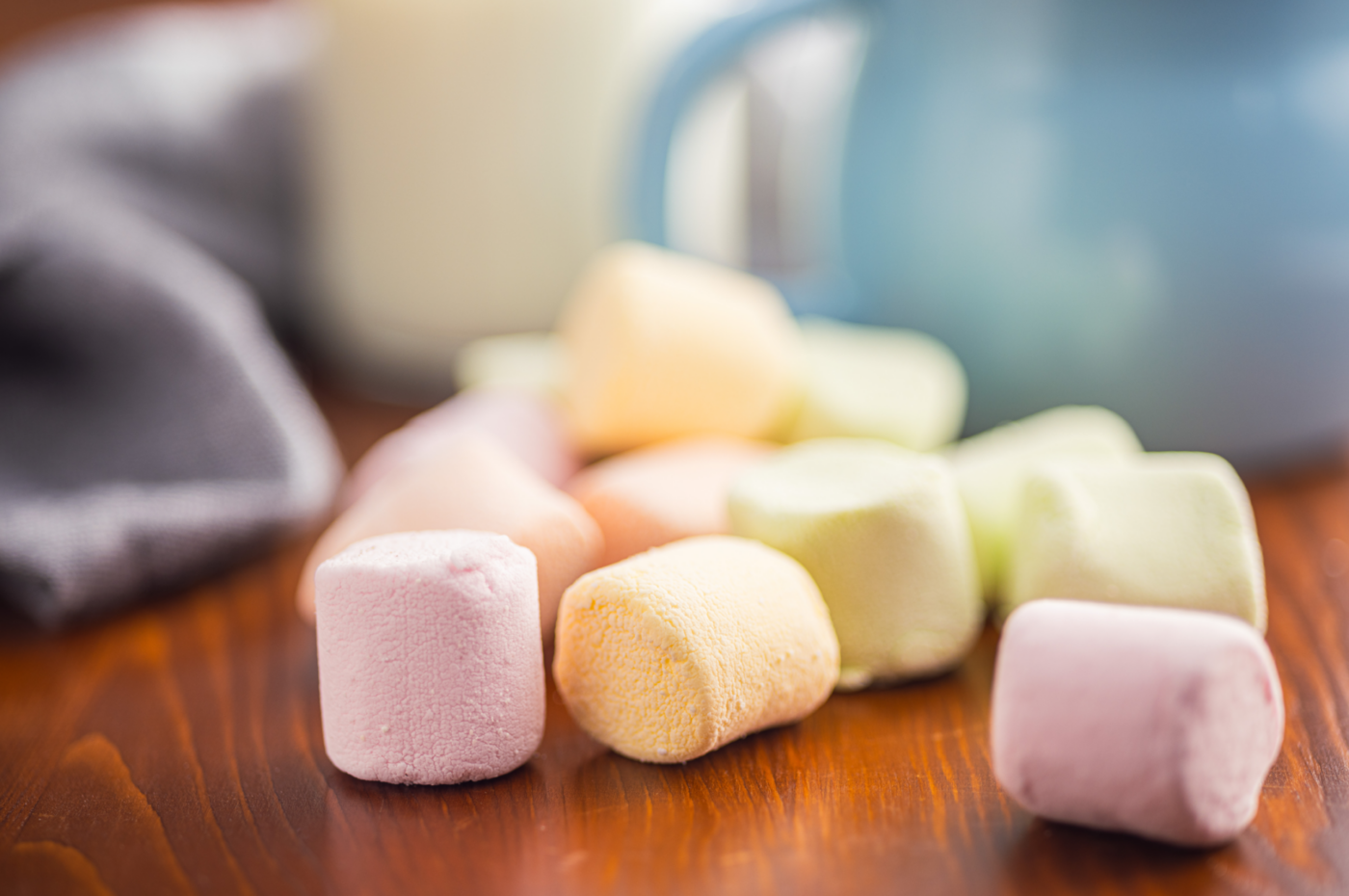
Marshmallows
Marshmallows, with their pillowy texture and melt-in-your-mouth sweetness, have captivated taste buds for centuries. These airy confections, traditionally made from sugar, corn syrup, gelatin, and water, offer a delightful experience whether enjoyed on their own, toasted over a campfire, or incorporated into a variety of culinary creations.
Introduction to Marshmallows
While marshmallows are synonymous with s’mores and hot cocoa, their culinary potential extends far beyond these classic treats. Their ability to melt, brown, and add a touch of sweetness and texture makes them a versatile ingredient in both sweet and savory dishes. From frostings and fillings to glazes and garnishes, marshmallows have found their way into the hearts and kitchens of home cooks and professional chefs alike.
Culinary Uses of Marshmallows
- S’mores: The quintessential campfire treat, s’mores combine the gooey goodness of toasted marshmallows with chocolate and graham crackers for a nostalgic and satisfying experience.
- Rice Krispies Treats: Marshmallows bind Rice Krispies cereal together to create these iconic chewy squares, a beloved childhood favorite.
- Frostings and Fillings: Melted marshmallows can be whipped into fluffy frostings or used as a filling for cakes, cupcakes, and pastries.
- Toppings: Toasted marshmallows add a delightful touch to sweet potato casserole, hot chocolate, and other desserts.
- Glazes: Marshmallows can be melted and combined with other ingredients to create sweet and savory glazes for meats, vegetables, and baked goods.
- Savory Surprises: Marshmallows can add a unique twist to savory dishes like bacon-wrapped appetizers or candied sweet potatoes.
Tips
- Storage: Store marshmallows in an airtight container at room temperature to prevent them from drying out or becoming sticky.
- Toasting: For even toasting, use a long skewer or roasting stick and rotate the marshmallow slowly over the heat source.
- Melting: To melt marshmallows smoothly, use low heat and stir constantly to prevent scorching.
- Experimenting: Don’t be afraid to experiment with marshmallows in your cooking and baking. Their versatility allows for endless creativity in the kitchen.
10 Things You Didn’t Know About Marshmallows
- Ancient Egyptian Roots: Marshmallows have a surprisingly long history, dating back to ancient Egypt, where they were made from the sap of the marshmallow plant and considered a delicacy.
- Medicinal Beginnings: Those early marshmallows weren’t just a treat; they were also used medicinally to soothe sore throats and coughs.
- French Transformation: In the 19th century, French confectioners refined the marshmallow recipe, whipping it into a fluffy confection with egg whites and sugar.
- Hand-Cut Hassle: Before machines took over, marshmallows were made in large sheets and cut into squares by hand. Imagine the effort!
- Extrusion Innovation: Modern marshmallow production uses a process called extrusion, where the marshmallow mixture is pushed through tubes to create those familiar shapes.
- Gelatin’s Gooey Gift: Gelatin, derived from animal collagen, is the magic ingredient that gives marshmallows their bouncy, gooey texture.
- Campfire Favorite: Marshmallows are synonymous with campfires and s’mores, a tradition that likely started in the early 20th century.
- Cereal Celebrity: From Lucky Charms to Rice Krispies Treats, marshmallows have become a beloved addition to breakfast cereals.
- Fluffy Physics: The fluffiness of a marshmallow comes from air being whipped into the mixture during production. It’s basically a delicious sugar-coated cloud!
- World Record Wonder: The largest marshmallow ever made weighed a whopping 2,000 pounds! That’s a lot of fluff!

History of Marshmallows
From Ancient Remedy to Campfire Confection: The Sweet History of Marshmallows
The marshmallow, that pillowy confection of sugar and gelatin, evokes images of campfire s’mores, hot cocoa, and childhood treats. But this fluffy delight has a history that stretches back centuries, traversing ancient civilizations, medicinal concoctions, and culinary innovations.
Ancient Origins: A Medicinal Marshmallow
Their story begins in ancient Egypt, around 2000 BC. Here, the marshmallow plant, a tall, flowering herb, was prized for its medicinal properties. The Egyptians extracted the sap from its roots, a sticky substance containing a mucilaginous (gooey) substance. This sap, combined with nuts and honey, was used to create a confection reserved for royalty and the elite, believed to soothe sore throats and other ailments.
A Medieval Treat
They continued its medicinal journey through the ages. In medieval Europe, it was used to treat a variety of ailments, from coughs and colds to digestive issues. The confectionary aspect remained, but it was primarily seen as a medicinal treat, a spoonful of sugar to help the medicine go down.
French Revolution: The Rise of the Confection
The 19th century brought a significant transformation to the marshmallow’s story. French confectioners, always at the forefront of culinary innovation, took the marshmallow from medicinal remedy to sweet delight. They whipped the marshmallow sap with egg whites and sugar, creating a lighter, fluffier confection. These early marshmallows were often made in large sheets and cut into squares, a far cry from the uniform shapes we see today.
Industrial Innovation: Mass Production and Marshmallow Machines
The late 19th and early 20th centuries saw further advancements in marshmallow production. The invention of the starch mogul system allowed for the mass production of marshmallows in uniform shapes. This process involved pouring the marshmallow mixture into molds made of cornstarch, allowing them to set, and then removing them, leaving behind those perfectly formed marshmallows.
Gelatin Takes Center Stage
Around the same time, gelatin, derived from animal collagen, replaced the marshmallow plant sap as the key ingredient. This change made marshmallows more stable, easier to produce, and more affordable, contributing to their widespread popularity.
Campfires and S’mores: A Sweet Tradition
The early 20th century also saw the rise of the marshmallow’s association with campfires and the beloved s’more. While the exact origins of the s’more are debated, it’s believed that the combination of graham crackers, chocolate, and toasted marshmallows became a campfire staple sometime in the 1920s.
Modern Marshmallows: A Versatile Treat
Today, marshmallows are a ubiquitous presence in the world of sweets. They’re enjoyed in countless ways, from classic s’mores and hot cocoa to Rice Krispies treats, fudge, and even gourmet desserts. Their versatility extends beyond snacking; they’re used to decorate cakes, cupcakes, and other treats, adding a festive touch to holiday celebrations.
A Sweet Legacy
The marshmallow’s journey from ancient medicinal remedy to modern-day confection is a testament to the enduring human desire for sweetness and the ingenuity that transforms simple ingredients into delightful treats. So next time you enjoy them, take a moment to appreciate the rich history and culinary evolution behind this fluffy, sweet delight.

Nutritional Information on Marshmallows
Marshmallows: A Nutritional Look Beyond the Fluff
Those pillowy clouds of sweetness that bring joy to campfires, hot cocoa, and childhood memories. But while they’re undeniably delicious, it’s worth taking a closer look at what exactly goes into these fluffy treats and how they fit into a balanced diet.
Deconstructing the Marshmallow: A Sugary Foundation
Let’s be honest, they are mostly about sugar. It’s the foundation of their sweetness and that melt-in-your-mouth texture.
Here’s a breakdown of the typical ingredients you’ll find in a marshmallow:
- Corn Syrup: This is the main player, providing a lot of the sweetness and that gooey texture that makes marshmallows so distinctive.
- Sugar: Because one type of sugar isn’t enough! This adds more sweetness and helps give the marshmallow its structure.
- Modified Cornstarch: This acts as a thickener, helping to give the marshmallow its consistency and preventing it from being too sticky. It also keeps those individual marshmallows from turning into one giant blob.
- Gelatin: This is the magic ingredient that makes them so bouncy and springy. It’s a protein derived from collagen, which is found in animal connective tissue.
- Water: Every recipe needs a little liquid, and water helps dissolve the sugar and create the marshmallow mixture.
- Dextrose: Yet another type of sugar! This one contributes to both the sweetness and the texture of the marshmallow.
- Flavorings: Vanilla is the most common flavoring, giving them that classic taste. But you can also find versions in other flavors, like strawberry or chocolate.
Some marshmallows might also have these extras:
- Tetrasodium Pyrophosphate: This is a whipping aid that helps create a stable foam, making sure your marshmallows stay nice and fluffy.
- Artificial Colors: These are used to make those brightly colored them that are especially popular with kids (and let’s be honest, adults too!).
Nutritional Breakdown: A Sweet Truth
As you might have guessed, they aren’t exactly a nutritional powerhouse. They’re primarily a source of simple carbohydrates, which means they provide quick energy but not a lot of lasting nutrients. Here’s what you can expect from a typical serving of marshmallows:
- Calories: A serving usually has around 90-100 calories, mostly from sugar.
- Carbohydrates: You’ll get about 25 grams of carbohydrates per serving, and most of that comes from sugar.
- Protein: They contain very little protein, usually less than 1 gram per serving.
- Fat: There’s almost no fat.
- Fiber: They don’t provide any significant amount of fiber.
- Vitamins and Minerals: You won’t find many vitamins or minerals in in them.
Things to Keep in Mind
- Sugar Content: The high amount of sugar is the main thing to be aware of with them. Eating too much sugar can lead to weight gain, tooth decay, and other health problems.
- Gelatin: Gelatin comes from animals, so marshmallows aren’t suitable for vegans or vegetarians.
- Additives: Some of them might contain artificial colors and flavors, which some people prefer to avoid.
Enjoying Marshmallows in a Balanced Diet
They are a fun and tasty treat, but they’re best enjoyed in moderation. Here are a few tips:
- Portion Control: Stick to a small serving size to keep your sugar intake in check.
- Pair with Nutritious Foods: Combine them with healthier options like fruits, nuts, or yogurt to add some nutritional value to your snack.
- Choose Quality: Look for versions made with natural ingredients and without artificial colors or flavors.
- Homemade Options: If you’re feeling adventurous, you can even try making your own marshmallows at home to control the ingredients and sugar content.
The Sweet Conclusion
They are a delightful treat that brings back fond memories, but they’re essentially just sugar with a bit of fluff. Enjoy them in moderation as part of a balanced diet, and be mindful of their high sugar content.
Their cloud-like texture and sweet flavor, have earned their place as a beloved confection. Whether enjoyed toasted over a campfire, incorporated into classic desserts, or used to create innovative culinary delights, marshmallows continue to inspire and delight people of all ages.
Disclaimer
- General Information Content on this page above, including the content provided on www.CookingHub.com, including all recipes, articles, and other materials, is for general informational purposes only. This content reflects the personal opinions and experiences of its authors and is not intended to provide professional dietary, medical, legal, or political advice. Please consult a qualified professional before making any decisions based on the information presented here.
- Content Ownership and Use Content on this page above, including content published on CookingHub.com is owned by the individual authors who created it. Only the authors can access, modify, or delete their content from the platform. Our content may be embedded on third-party websites and blogs without modification. No reimbursement will be provided for this use. If an author removes content from CookingHub.com, it will no longer be available through any embedded links.
- Limitation of Liability Neither www.CookingHub.com (operated by the CookingHub Foundation) nor content authors are responsible for any outcome or consequence resulting from the use of information on this site. This includes, but is not limited to:
- Food Safety: Any health risk related to food handling, food quality, or failure to follow USDA recommendations (including minimum safe cooking temperatures).
- Preparation Safety: The proper and safe handling of cooking equipment or its suitability for any given task.
- Recipe Outcomes: The final look, taste, or success of following a recipe.
- Ingredients and Equipment: The sourcing of ingredients, tools, equipment, or anything else related to the preparation and consumption of food.
- Nutritional and Dietary Information: The accuracy of nutritional data. This information is provided as a courtesy and should not replace advice from a medical provider. You are responsible for verifying that a diet is suitable for your personal health needs.
- Errors and Omissions: Any potential errors, typos, or unclear directions in articles and recipes.
- User Responsibility All readers, visitors, and users of embedded content are solely responsible for evaluating recipes and articles. You must make your own decisions about whether to follow the steps and recommendations provided. It is your responsibility to ensure that ingredients and preparation methods are safe and appropriate for your personal dietary restrictions and health conditions.
Share
Click on the icons below to share "Title of the item to share"