Cook, Learn, and Share to Fight Hunger.

End-of-Year Fundraiser! Donate Today to Fight Food Insecurity:

Mahi-Mahi

Mahi-mahi, a dazzling fish known for its vibrant colors and firm, succulent flesh, is a true culinary gem of the tropics. Its mild, slightly sweet flavor and versatility make it a favorite among seafood enthusiasts and chefs alike. Whether grilled, baked, pan-seared, or blackened, mahi-mahi delivers a delightful dining experience that captures the essence of sun-drenched shores and crystal-clear waters.

Introduction to Mahi-Mahi

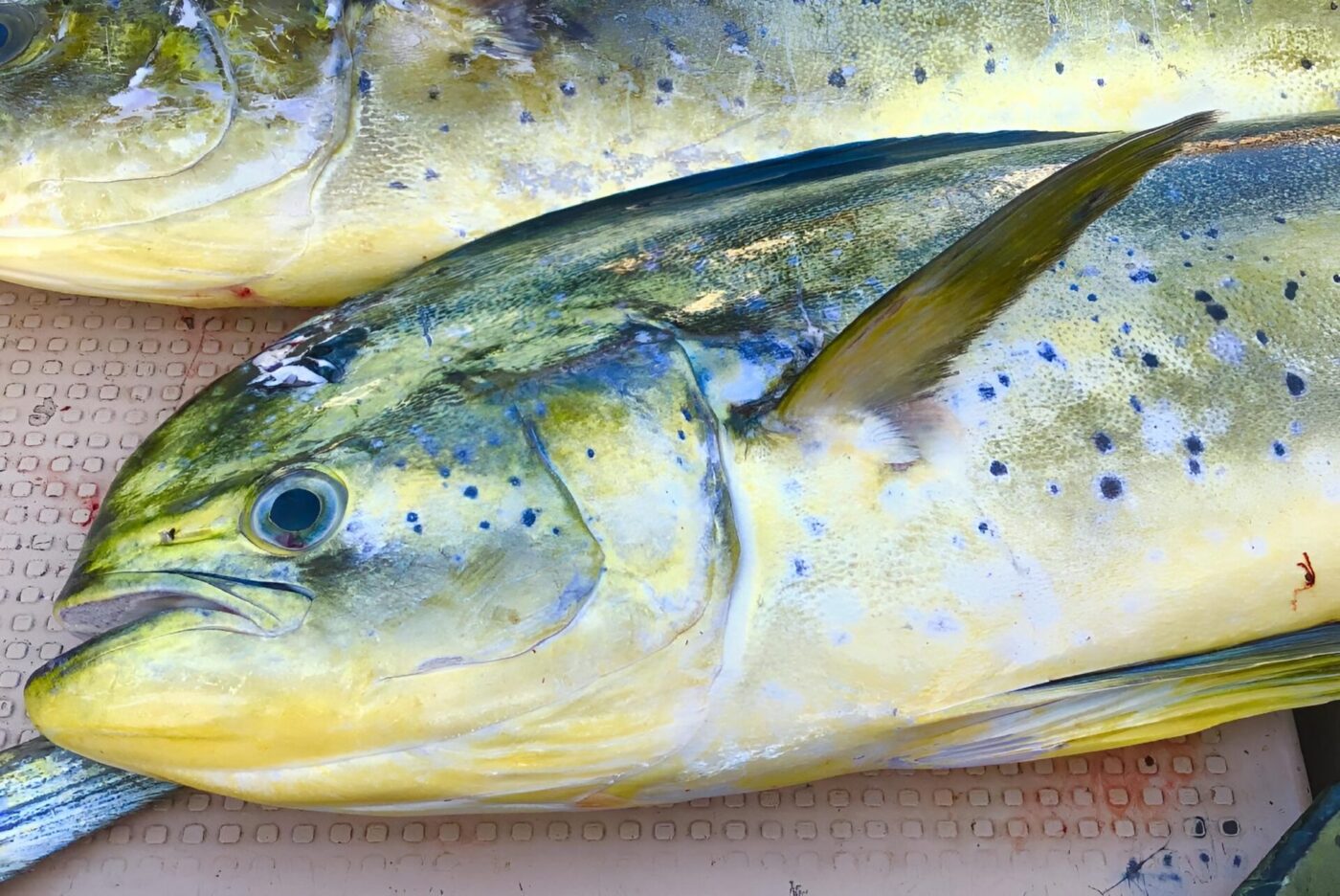
Mahi-mahi, also known as dolphinfish (though not related to dolphins), is a fast-growing, sustainable fish that thrives in warm ocean waters. Its sleek, streamlined body and iridescent colors make it a captivating sight, both in the wild and on the plate. As a sport fish, it’s sought after by anglers for its acrobatic leaps and thrilling fights. But mahi-mahi’s appeal goes beyond its sporting qualities; it’s a culinary star that brings a taste of the tropics to tables around the world.

Culinary Uses of Mahi-Mahi

Mahi-mahi’s mild flavor and firm texture lend themselves to a wide range of culinary preparations:

  • Grilled to Perfection: Grilling mahi-mahi brings out its natural sweetness and creates a beautiful char on the surface. A simple marinade of olive oil, lime juice, garlic, and herbs is all you need to enhance its flavor.
  • Pan-Seared with a Crust: A quick sear in a hot pan with butter or oil creates a crispy, flavorful crust while keeping the interior moist and tender.
  • Baked with Tropical Flair: Baking mahi-mahi with a mango salsa or a pineapple-habanero glaze adds a touch of tropical sweetness and spice.
  • Blackened for a Bold Flavor: Blackening mahi-mahi with a Cajun spice blend creates a flavorful crust and a spicy kick.
  • Fish Tacos with a Zing: Flaked mahi-mahi is perfect for fish tacos, topped with a zesty slaw, avocado crema, and your favorite salsa.
  • Ceviche with a Citrusy Kick: Mahi-mahi’s firm texture holds up well in ceviche, where it’s “cooked” in citrus juices and marinated with fresh herbs and vegetables.

Tips

  • Choose Freshness: Look for mahi-mahi fillets that are firm, moist, and have a fresh, slightly sweet aroma. Avoid fillets that appear dry or have a fishy odor.
  • Marinate for Flavor: Mahi-mahi benefits from a quick marinade to enhance its flavor and keep it moist during cooking. Citrus-based marinades, such as lime or orange juice combined with herbs and spices, work particularly well.
  • Don’t Overcook: Mahi-mahi cooks quickly and can easily become dry if overcooked. Aim for an internal temperature of 137°F (58°C).
  • Resting Time: Allow the fish to rest for a few minutes after cooking to allow the juices to redistribute, resulting in a more tender and flavorful experience.
  • Pairing Flavors: Mahi-mahi pairs well with tropical flavors like mango, pineapple, coconut, and lime, as well as Mediterranean flavors like olive oil, garlic, and herbs.

The vast and teeming oceans offer a breathtaking array of life, and among its most captivating inhabitants are the countless varieties of Types of Saltwater Fish. For centuries, these aquatic creatures have played a pivotal role in human civilization, serving as a crucial source of sustenance and inspiring culinary traditions across the globe. The sheer diversity of Types of Saltwater Fish is astounding, each possessing unique characteristics that influence its flavor, texture, and suitability for different cooking methods. Embarking on a culinary exploration of Types of Saltwater Fish is an adventure in taste and discovery, opening up a world of exciting possibilities for both home cooks and professional chefs alike. Understanding the general categories and qualities of Types of Saltwater Fish is the first step towards appreciating their culinary versatility.

Tom the Chef Tom the Chef Founder

Culinary History of Mahi-Mahi

Mahi-mahi has long been a staple food in tropical regions, where it’s been prized for its abundance, flavor, and sporting qualities. Indigenous communities have developed various fishing techniques to catch this fast-swimming fish, and it has played a significant role in their diets and cultures. In recent decades, mahi-mahi has gained popularity worldwide, becoming a popular menu item in restaurants and a favorite among home cooks.

Health Benefits of Mahi-Mahi

Mahi-mahi is not only delicious but also packed with nutrients:

  • Lean Protein: It is an excellent source of lean protein, essential for muscle growth, repair, and overall health.
  • Omega-3 Fatty Acids: Mahi-mahi contains omega-3 fatty acids, which promote heart health, reduce inflammation, and support brain function.
  • Vitamins and Minerals: It is rich in B vitamins, vitamin D, selenium, and potassium, which are essential for various bodily functions.
  • Low in Mercury: Mahi-mahi is generally considered a low-mercury fish, making it a safe and healthy choice for regular consumption.

Mahi-mahi, the vibrant delight of tropical seas, offers a culinary adventure that is both exciting and delicious. Its versatility, mild flavor, and nutritional benefits make it a true treasure of the ocean.

Detailed close-up of a vibrant Mahi-mahi fish, with its distinctive intricate patterns

Disclaimer

  1. General Information Content on this page above, including the content provided on www.CookingHub.com, including all recipes, articles, and other materials, is for general informational purposes only. This content reflects the personal opinions and experiences of its authors and is not intended to provide professional dietary, medical, legal, or political advice. Please consult a qualified professional before making any decisions based on the information presented here.
  2. Content Ownership and Use Content on this page above, including content published on CookingHub.com is owned by the individual authors who created it. Only the authors can access, modify, or delete their content from the platform. Our content may be embedded on third-party websites and blogs without modification. No reimbursement will be provided for this use. If an author removes content from CookingHub.com, it will no longer be available through any embedded links.
  3. Limitation of Liability Neither www.CookingHub.com (operated by the CookingHub Foundation) nor content authors are responsible for any outcome or consequence resulting from the use of information on this site. This includes, but is not limited to:
    • Food Safety: Any health risk related to food handling, food quality, or failure to follow USDA recommendations (including minimum safe cooking temperatures).
    • Preparation Safety: The proper and safe handling of cooking equipment or its suitability for any given task.
    • Recipe Outcomes: The final look, taste, or success of following a recipe.
    • Ingredients and Equipment: The sourcing of ingredients, tools, equipment, or anything else related to the preparation and consumption of food.
    • Nutritional and Dietary Information: The accuracy of nutritional data. This information is provided as a courtesy and should not replace advice from a medical provider. You are responsible for verifying that a diet is suitable for your personal health needs.
    • Errors and Omissions: Any potential errors, typos, or unclear directions in articles and recipes.
  4. User Responsibility All readers, visitors, and users of embedded content are solely responsible for evaluating recipes and articles. You must make your own decisions about whether to follow the steps and recommendations provided. It is your responsibility to ensure that ingredients and preparation methods are safe and appropriate for your personal dietary restrictions and health conditions.

End-of-Year Fundraiser! Donate Today to Fight Food Insecurity: