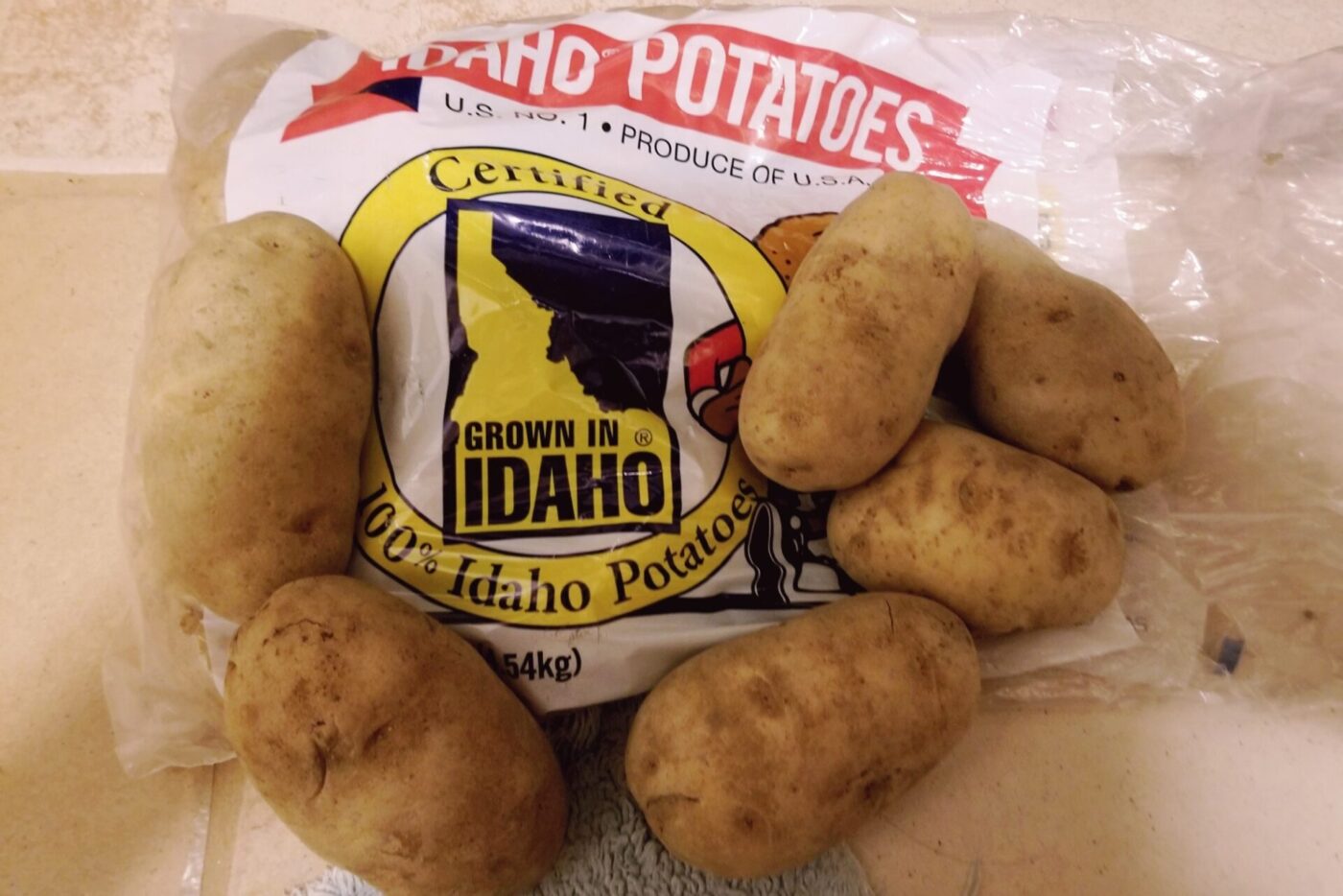
Starchy potatoes are the darlings of the mashed potato world, the champions of crisp french fries, and the fluffy heroes of perfectly baked potatoes. Their high starch content transforms them into culinary canvases for flavor and texture. Let’s delve into three popular starchy potatoes: the classic Russet, the vibrantly colored Jewel Yam, and the unique Japanese sweet potato.
Idaho Potatoes
The term "Idaho potato" often evokes images of fluffy baked potatoes, crispy fries, and creamy mashed potatoes. While the name is geographically tied to the state of Idaho, it represents more than just a place of origin. It signifies a standard of quality, a specific growing environment, and a set of characteristics that have made Idaho potatoes famous worldwide. These potatoes are synonymous with a particular texture and flavor profile that makes them a favorite among chefs and home cooks alike.
Introduction to Idaho Potatoes
What makes an Idaho potato an Idaho potato? It’s not just any potato grown in Idaho. To earn the “Grown in Idaho” seal, potatoes must meet specific standards set by the Idaho Potato Commission. These standards primarily relate to the growing conditions and the varieties allowed. The most famous variety associated with Idaho is the Russet Burbank, known for its high solids content (starch) and low moisture, which results in that desirable fluffy texture when baked. However, other varieties, including Yukon Golds, Reds, and fingerlings, are also grown in Idaho and can bear the seal if they meet the quality standards.
Culinary Uses of Idaho Potatoes
The versatility of Idaho potatoes, particularly Russets, is a key reason for their popularity:
- Baked Potatoes: The high starch content of Idaho Russets makes them the quintessential baking potato, producing a dry, fluffy interior.
- French Fries: Idaho Russets are the gold standard for french fries, creating fries that are crispy on the outside and fluffy on the inside.
- Mashed Potatoes: While they can become gluey if over-mixed, Idaho Russets, when handled correctly, make excellent mashed potatoes.
- Potato Skins: The thick skins of Russet potatoes are perfect for making loaded potato skins.
- Roasted Potatoes: Roasted Idaho potatoes develop a crispy exterior and a tender, flavorful interior.
- Hash Browns: Shredded Idaho Russets make crispy and delicious hash browns.
- Potato Salad: Cooked and cubed Idaho potatoes (often Russets or Reds) can be used in potato salad, offering a sturdy texture.
- Soups and Stews: Diced Idaho potatoes add body and substance to soups and stews.
Tips for Handling and Cooking Idaho Potatoes
- Selection: Choose potatoes that are firm, heavy for their size, and free from blemishes, sprouts, or green patches.
- Storage: Store Idaho potatoes in a cool, dark, well-ventilated place (ideally between 45-50°F / 7-10°C). Avoid refrigeration and storing them near onions.
- Washing: Scrub potatoes thoroughly under cold running water before cooking.
- Pricking (for Baking): Prick the skin of Russet potatoes several times with a fork before baking to allow steam to escape.
- Peeling (Optional): Peeling is a matter of preference and depends on the recipe. The skin is edible and nutritious.
- Preventing Discoloration: If cutting potatoes ahead of time, store them in cold water to prevent browning.
10 Fun Facts About Idaho Potatoes
- To be labeled “Grown in Idaho,” potatoes must be grown in the state of Idaho.
- The Idaho Potato Commission was established in 1937 to promote and protect the Idaho potato brand.
- Idaho’s volcanic soil, warm days, and cool nights create ideal growing conditions for potatoes.
- The Russet Burbank is the most famous variety grown in Idaho, but other varieties are also cultivated.
- Idaho produces about one-third of the potatoes grown in the United States.
- The “Grown in Idaho” seal is a registered trademark.
- There’s an Idaho Potato Museum in Blackfoot, Idaho.
- Idaho potatoes are exported to countries around the world.
- The potato is the state vegetable.
- The official slogan is “Famous Potatoes”.
Culinary History of Idaho Potatoes
While potatoes originated in South America, their journey to Idaho and subsequent rise to fame is a story of agricultural adaptation and marketing savvy. Potatoes were introduced to Idaho in the 1830s, but it wasn’t until the late 19th and early 20th centuries that potato farming became a major industry in the state.
The development of the Russet Burbank variety by Luther Burbank in the 1870s played a crucial role. This variety, with its high starch content and excellent baking qualities, thrived in Idaho’s volcanic soil and climate.
In 1937, the Idaho Potato Commission was formed to promote Idaho potatoes and protect the brand. This commission implemented strict quality standards and marketing campaigns that emphasized the unique qualities of Idaho-grown potatoes. The “Grown in Idaho” seal became a symbol of quality, recognized by consumers nationwide.
Nutritional Information on Idaho Potatoes
Idaho potatoes, like all potatoes, are a nutritious food, providing:
- Carbohydrates: Primarily starch, a source of energy.
- Fiber: Found especially in the skin, promoting digestive health.
- Vitamin C: An antioxidant that supports the immune system.
- Vitamin B6: Important for energy metabolism and nerve function.
- Potassium: An electrolyte that helps regulate blood pressure.
- Manganese: An antioxidant and essential nutrient.
- Small quantities of various vitamins and minerals.
Delicious Potato Recipes You Need To Try

Read More: Culinary History of Idaho Potatoes
Idaho Potatoes: A Culinary History of Volcanic Soil, Ideal Climate, and a Brand Forged in Quality
“Idaho Potato” is a phrase that resonates globally, synonymous with quality, fluffy texture, and, often, the iconic Russet Burbank. But the culinary history of Idaho potatoes is more than just the story of a single variety. It’s a tale of a unique geographical environment, shrewd marketing, pioneering farmers, and a commitment to quality that transformed a regional crop into a nationally and internationally recognized brand. This article delves into the history of potatoes in Idaho, exploring the factors that made the state a potato powerhouse, the rise of the Russet Burbank, and the broader impact of the “Idaho Potato” brand on American cuisine and beyond.
Before the Russet: Early Potato Cultivation in Idaho
Potatoes were not native to Idaho. Like the rest of North America, the potato arrived via European colonization. While the precise date of the first potato planting in Idaho is debated, it’s generally believed that potatoes were introduced in the 1830s or 1840s.
*Missionaries were likely the first to cultivate potatoes. *Henry Spalding, a Presbyterian missionary, is often credited with introducing potatoes to the Nez Perce Native American tribe in the Lapwai area in the late 1830s. Gold Rush Influence: The Idaho Gold Rush of the 1860s brought a surge of settlers to the region, increasing the demand for food, including potatoes. Early potato cultivation was primarily for local consumption, with various varieties grown on a small scale.
The Rise of Irrigation and the Transformation of the Landscape
The key to Idaho’s transformation into a major potato-producing state was irrigation. Much of southern Idaho, where the majority of potatoes are grown, is a high desert environment with limited rainfall. The development of irrigation systems, starting in the late 19th and early 20th centuries, was crucial:
- The Carey Act (1894): This federal law encouraged private companies to develop irrigation projects in arid western states, including Idaho.
- The Reclamation Act (1902): This act established the Bureau of Reclamation, which oversaw the construction of large-scale irrigation projects, such as dams and canals, in the West.
- Snake River Plain: The Snake River Plain, with its fertile volcanic soil and access to water from the Snake River, became the heartland of Idaho potato production.
Irrigation transformed the arid landscape, making large-scale agriculture possible. Farmers began to experiment with different potato varieties, seeking those best suited to the Idaho climate and soil.
The Russet Burbank Takes Center Stage: A Perfect Match
While various potato varieties were grown in Idaho in the early days, the Russet Burbank gradually emerged as the dominant choice. As detailed in the previous response about Russet potatoes, this variety, a “sport” or mutation of the original Burbank potato, offered several advantages:
- Disease Resistance: Its russeted skin provided better protection against soilborne diseases.
- Storage Ability: Its thick skin helped it store well, extending its availability.
- Baking Quality: It baked beautifully, with a crisp skin and fluffy interior.
- Frying Quality: Its high starch and low moisture content made it ideal for french fries.
The Russet Burbank thrived in Idaho’s unique growing conditions:
- Volcanic Soil: The rich, well-drained volcanic soil of the Snake River Plain provided essential nutrients and optimal drainage for potato growth.
- Warm Days and Cool Nights: The significant temperature difference between day and night during the growing season promoted the development of high starch content in the potatoes.
- Irrigation Water: The readily available irrigation water from the Snake River ensured consistent moisture throughout the growing season.
These factors combined to produce Russet Burbanks of exceptional quality, with a higher solids content (starch) and lower moisture content than potatoes grown in many other regions. This resulted in a fluffier texture when baked or mashed and a crispier texture when fried.
The “Idaho Potato” Brand: Marketing and Quality Control
Recognizing the superior quality of their potatoes, Idaho growers and industry leaders understood the importance of branding and marketing. They worked to establish “Idaho Potato” as a synonym for quality and to differentiate their product from potatoes grown elsewhere. Key steps in this branding effort included:
- The Idaho Grower Shippers Association (IGSA) (Founded 1928): This organization played a crucial role in promoting Idaho potatoes and establishing quality standards.
- The “Grown in Idaho” Seal: A distinctive seal was developed to identify potatoes that were genuinely grown in Idaho, combating mislabeling and ensuring authenticity.
- Marketing Campaigns: Extensive marketing campaigns were launched, targeting consumers and food service professionals, emphasizing the superior qualities of Idaho potatoes. These campaigns often featured images of Idaho’s scenic landscapes, reinforcing the connection between the potatoes and their origin.
- State Legislation: The Idaho legislature passed laws to protect the “Grown in Idaho” seal and to regulate the quality of potatoes marketed under that label.
- The Idaho Potato Commission (Established 1937): This state agency took over the responsibility of promoting and protecting the Idaho potato brand. It continues to play a vital role in marketing, research, and education related to Idaho potatoes.
- The Famous Idaho Potato Bowl An NCAA-sanctioned post-season college football bowl game played each year.
- The Idaho Potato Museum. Located in Blackfoot, Idaho.
These efforts were remarkably successful. “Idaho Potato” became a nationally recognized brand, associated with quality, consistency, and the iconic Russet Burbank.
The French Fry Connection: Driving Demand
The rise of the fast-food industry in the mid-20th century, particularly the explosive growth of McDonald’s and other french fry chains, played a pivotal role in cementing the Russet Burbank’s dominance and, by extension, the prominence of Idaho potatoes. McDonald’s, in its quest for consistent, high-quality fries, established strict specifications that favored the Russet Burbank’s high starch content, low moisture, and long, uniform shape.
The demand for french fries fueled a massive expansion of Russet Burbank production in Idaho, solidifying the state’s position as the leading potato producer in the United States.
Beyond the Russet: Diversification and Innovation
While the Russet Burbank remains the king of Idaho potatoes, accounting for the majority of production, there has been a growing effort to diversify the state’s potato industry. This includes:
- Specialty Varieties: Growers are increasingly cultivating other potato varieties, such as Yukon Gold, red potatoes, fingerling potatoes, and purple potatoes, to cater to changing consumer preferences and culinary trends.
- Organic Potatoes: Idaho has a growing organic potato sector, responding to the increasing demand for organic produce.
- Value-Added Products: The industry is also exploring value-added products, such as pre-cut fries, dehydrated potato products, and potato starch, to diversify its offerings.
- Research and Development: The Idaho Potato Commission and the University of Idaho conduct ongoing research to improve potato varieties, develop sustainable farming practices, and address challenges such as disease and pest management.
The Future of Idaho Potatoes: Sustainability and Legacy
The Idaho potato industry faces ongoing challenges, including water conservation, climate change, and competition from other potato-growing regions. However, its strong brand recognition, commitment to quality, and ongoing efforts to innovate and diversify position it well for the future.
The “Idaho Potato” story is a remarkable example of how a combination of ideal growing conditions, strategic marketing, and a dedication to quality can transform a regional crop into a national and international icon. It’s a story of agricultural success, brand building, and the enduring appeal of a simple, versatile food. The legacy of the Idaho potato extends far beyond the Russet Burbank, encompassing a diverse and evolving industry that continues to shape the culinary landscape.

Read More: Nutritional Information on Idaho Potatoes
Idaho Potatoes vs. Russet Potatoes: The Nuances
- Russet Potato: This is a variety of potato. It’s characterized by its large size, oblong shape, rough brown skin, and white or pale yellow flesh. It’s a high-starch potato known for its fluffy texture when baked.
- Idaho Potato: This refers to potatoes grown in the state of Idaho. While the vast majority of potatoes grown in Idaho are Russet potatoes, the term “Idaho potato” is more about origin than variety. The Idaho Potato Commission promotes the quality of potatoes grown in Idaho, emphasizing the state’s unique climate and soil conditions.
So, what does this mean nutritionally?
In most cases, when you see “Idaho potato” on a menu or in a grocery store, it’s referring to a Russet potato grown in Idaho. Therefore, the general nutritional information for a Russet potato applies. However, there’s a possibility that the specific growing conditions in Idaho could subtly influence the nutrient content, although this difference is likely to be minor for most consumers. The Idaho Potato Commission emphasizes the high solids content and lower moisture content of their potatoes, leading to that desirable fluffy texture.
Nutritional Information (per 1 medium Idaho potato, approximately 173 grams, with skin)
Since we’re essentially talking about a Russet potato, the macronutrient breakdown is the same:
- Calories: 160-170
- Protein: 4-5 grams
- Fat: Less than 0.5 grams
- Carbohydrates: 36-38 grams
- Starch: The majority of the carbohydrates.
- Fiber: 4-5 grams (much of this is in the skin).
- Sugars: 1-2 grams (naturally occurring).
Micronutrients (approximate % of Daily Value)
- Vitamin C: 30-45%
- Vitamin B6 (Pyridoxine): 25-35%
- Potassium: 20-25%
- Manganese: 15-20%
- Niacin (Vitamin B3): 10-15%
- Folate (Vitamin B9): 8-12%
- Phosphorus: 8-12%
- Magnesium: 6-10%
- Iron: 6-10% (non-heme iron; absorption is enhanced by vitamin C)
- Copper: 6-10%
- Thiamin: Around 8%
Phytonutrients
Like all potatoes, Idaho Russets contain:
- Resistant Starch: Increases when potatoes are cooked and then cooled.
- Phenolic Compounds: Antioxidants.
- Glycoalkaloids: Found in the skin and eyes; potentially toxic in very large amounts (avoid green potatoes).
The “Idaho Advantage” (Potential, but Subtle)
The Idaho Potato Commission emphasizes the following factors that contribute to the quality of their potatoes:
- Rich Volcanic Soil: Idaho’s volcanic soil is rich in minerals, which could potentially translate to slightly higher mineral content in the potatoes. However, this difference is unlikely to be drastically different from Russets grown in other regions with good soil.
- Ideal Climate: Idaho has warm days and cool nights during the growing season, which is considered ideal for potato development. This climate contributes to the high solids content (more starch, less water) that gives Idaho Russets their characteristic fluffy texture when baked.
- Irrigation: Idaho uses a combination of rainfall and irrigation from the Snake River aquifer, ensuring consistent moisture.
- Strict Standards: The Idaho Potato Commission has strict standards for grading and certification, ensuring quality and consistency.
The Impact of Preparation (Same as for Russets)
The way you cook an Idaho potato has a much greater impact on its nutritional value than its state of origin:
- Baking (with skin): Best for retaining nutrients.
- Boiling: Can leach some water-soluble vitamins.
- Frying: Significantly increases calories and fat.
- Mashing: Depends on added ingredients (butter, cream, etc.).
- Potato Salad: Depends on the dressing (mayonnaise-based dressings are high in fat and calories).
Glycemic Index (GI) and Glycemic Load (GL)
Idaho Russets, like other Russets, have a relatively high GI. The GL is moderate to high. Cooling the potatoes after cooking increases resistant starch and lowers the GI and GL. Eating them with protein, fat, and fiber also helps moderate the blood sugar response.
Addressing Common Concerns (Same as for Russets)
- Fattening? No, not inherently. It’s the preparation and added ingredients that can make them high-calorie.
- Empty Carbs? No, they provide fiber, vitamins, and minerals.
- Unhealthy? They can be part of a healthy diet when prepared healthily and eaten in moderation.
Tips for Healthy Consumption (Same as for Russets)
- Eat the skin.
- Choose healthy cooking methods (baking, boiling, roasting).
- Control portion sizes.
- Pair with protein, healthy fats, and other vegetables.
- Cool before eating (for resistant starch).
- Avoid green potatoes.
In Conclusion
An “Idaho potato” is, in most cases, a Russet potato grown in Idaho. The general nutritional information for Russet potatoes applies directly to Idaho potatoes. While the specific growing conditions in Idaho might contribute to subtle differences in mineral content or texture, the primary nutritional profile (macronutrients, vitamins, and key minerals) will be very similar to a Russet grown elsewhere. The “Idaho” designation is more about quality assurance, marketing, and the potato’s cooking characteristics (especially its fluffiness when baked) than a fundamentally different nutritional composition. The most significant factor influencing the healthfulness of an Idaho potato, like any potato, is how it’s prepared and what it’s eaten with.
Idaho potatoes have earned their reputation as a high-quality, versatile ingredient. The “Grown in Idaho” seal represents more than just a geographic location; it signifies a commitment to quality, specific growing conditions, and a legacy of potato cultivation. From the classic baked potato to countless other culinary creations, Idaho potatoes provide a reliable and delicious foundation for meals across the globe. Their enduring popularity is a testament to the power of agricultural excellence and effective branding, transforming a humble root vegetable into a culinary icon. The combination of ideal growing conditions and strict quality standards ensures that when you choose an Idaho potato, you’re choosing a product that delivers on its promise of flavor and texture.
Disclaimer
- General Information Content on this page above, including the content provided on www.CookingHub.com, including all recipes, articles, and other materials, is for general informational purposes only. This content reflects the personal opinions and experiences of its authors and is not intended to provide professional dietary, medical, legal, or political advice. Please consult a qualified professional before making any decisions based on the information presented here.
- Content Ownership and Use Content on this page above, including content published on CookingHub.com is owned by the individual authors who created it. Only the authors can access, modify, or delete their content from the platform. Our content may be embedded on third-party websites and blogs without modification. No reimbursement will be provided for this use. If an author removes content from CookingHub.com, it will no longer be available through any embedded links.
- Limitation of Liability Neither www.CookingHub.com (operated by the CookingHub Foundation) nor content authors are responsible for any outcome or consequence resulting from the use of information on this site. This includes, but is not limited to:
- Food Safety: Any health risk related to food handling, food quality, or failure to follow USDA recommendations (including minimum safe cooking temperatures).
- Preparation Safety: The proper and safe handling of cooking equipment or its suitability for any given task.
- Recipe Outcomes: The final look, taste, or success of following a recipe.
- Ingredients and Equipment: The sourcing of ingredients, tools, equipment, or anything else related to the preparation and consumption of food.
- Nutritional and Dietary Information: The accuracy of nutritional data. This information is provided as a courtesy and should not replace advice from a medical provider. You are responsible for verifying that a diet is suitable for your personal health needs.
- Errors and Omissions: Any potential errors, typos, or unclear directions in articles and recipes.
- User Responsibility All readers, visitors, and users of embedded content are solely responsible for evaluating recipes and articles. You must make your own decisions about whether to follow the steps and recommendations provided. It is your responsibility to ensure that ingredients and preparation methods are safe and appropriate for your personal dietary restrictions and health conditions.


Share
Click on the icons below to share "Title of the item to share"