Cook, Learn, and Share to Fight Hunger.

End-of-Year Fundraiser! Donate Today to Fight Food Insecurity:

Advantages of Cooking From Scratch

Ready to eat better and save more? This guide to the ‘Advantages of Cooking From Scratch’ is your starting point. Learn how this rewarding skill impacts your budget and your health in the best ways possible. Let’s get cooking!

Estimated Reading Time: 5 Minutes

Tom the Chef Tom the Chef Founder
5.21.2025

Summary

  • Major Cost Savings: Cooking from scratch is significantly cheaper per serving than buying pre-made meals or dining out.
  • Total Nutritional Control: You decide the exact amount of salt, sugar, unhealthy fats, and additives in your food.
  • Reduces Food Waste: Planning meals and using whole ingredients creatively allows you to use up what you buy.
  • Promotes Healthier Eating: It naturally encourages the use of whole, nutrient-dense ingredients and better portion control.

Introduction

In a world of instant gratification and endless convenience foods, the idea of cooking from scratch might seem quaint. However, embracing the art of preparing meals from whole ingredients reveals the powerful advantages of cooking from scratch, particularly for your budget and nutritional health. Far from being a burden, it can be an empowering endeavor that pays dividends in both your financial and physical wellbeing.

Let’s explore the compelling advantages of choosing home-cooked meals over their processed or restaurant counterparts:

Budget Benefits: Kind To Your Coin

The financial perks are often the most immediate and noticeable of the advantages of cooking from scratch.

Significant Cost Savings Per Serving

  • Buying basic, whole ingredients is almost always cheaper than purchasing pre-packaged meals or takeout.
  • You’re not paying for processing, packaging, marketing, and labor.
  • A home-cooked meal can cost $4-$6 per person, while restaurant meals can easily be $15-$20 or more.

Stretch Your Ingredients Further

  • Cooking from scratch allows you to be resourceful.
  • A whole chicken can yield multiple meals – roasted one night, leftovers for sandwiches, and the carcass for a nutritious stock.
  • This resourcefulness is one of the key advantages of cooking from scratch.

Smart Use Of Sales And Bulk Buying

  • When you cook, you can strategically purchase ingredients on sale or buy staples in bulk, further reducing costs.
  • This is harder to do when relying on convenience foods.

Reduced Food Waste

  • Planning meals and cooking with whole ingredients means you buy what you need.
  • This, coupled with creatively using leftovers (e.g., leftover vegetables into a frittata), significantly cuts down on food waste—a major drain on any food budget.

Avoid The “Convenience Tax”

  • Processed foods and restaurant meals include a hefty markup for convenience.
  • By investing a little time in your kitchen, you bypass this “tax” and keep more money in your pocket.

In a world of convenience, learning How to Implement Cooking from Scratch is a powerful skill. It saves money, gives you control over your ingredients, and is incredibly rewarding. This guide will show you how to start your journey, one simple and delicious meal at a time.

Tom the Chef Tom the Chef Founder

Nutritional Gains: Fueling Your Body Right

  • Gaining full control over what you eat is paramount among the health advantages of cooking from scratch.

Complete Control Over Ingredients

  • This is perhaps the biggest nutritional win.
  • When you’re the chef, you decide exactly what goes into your food.
  • This includes less sodium, reduced unhealthy fats by choosing healthier oils, lower added sugar, and no unwanted artificial additives, colors, or preservatives common in ultra-processed items.

More Whole Nutrient-Dense Foods

Home cooking naturally steers you towards using fresh, whole ingredients. This means more fruits, vegetables, whole grains, and lean proteins, which are packed with essential vitamins, minerals, and fiber. Ultra-processed foods are often stripped of these nutrients.

Better Portion Control

  • Restaurants often serve oversized portions, encouraging overeating.
  • At home, you can serve appropriate portion sizes, aligning with your nutritional needs and health goals.

Increased Awareness Of What You’re Eating

  • The act of preparing your food makes you more mindful of the ingredients and their nutritional value.
  • This awareness can lead to healthier choices overall.

Easier To Cater To Dietary Needs

  • If you or a family member has food allergies, sensitivities, or specific dietary requirements (like gluten-free or plant-based), cooking from scratch provides the ultimate control to ensure meals are safe and suitable.

Fresher Ingredients Better Nutrients

  • Using fresh, seasonal ingredients when possible can mean a higher nutrient content compared to foods that have been processed and stored for long periods.

More Than Just Food: Added Perks

Beyond budget and nutrition, the advantages of cooking from scratch extend to other areas of life. These benefits include stress reduction (the rhythmic chopping and stirring can be meditative), opportunities for family bonding when cooking together, and the immense satisfaction of creating something delicious and wholesome with your own hands.

While it might require a bit more planning and time upfront, the advantages of cooking from scratch are undeniable. It’s a skill that not only saves you money and nourishes your body but also connects you more deeply with the food you eat. Start small, find simple recipes you enjoy, and rediscover the profound benefits of a home-cooked meal.

Final Takeaway

The most crucial takeaway is that cooking from scratch is an investment in yourself, offering unparalleled control over your finances and your health. The combined advantages of significant cost savings and superior nutritional intake make it one of the most impactful habits you can adopt. By starting with simple meals, you can begin a rewarding journey that nourishes both your body and your bank account, proving that the best meals truly are homemade.

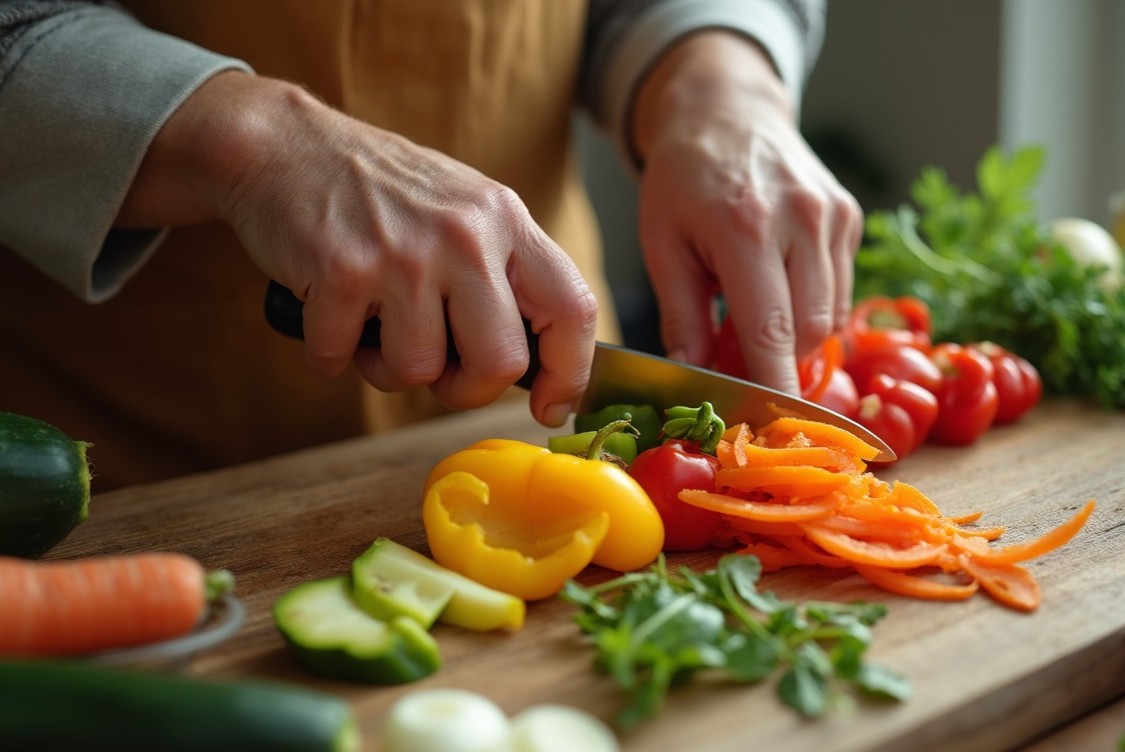
A pair of hands skillfully chopping

The first step to a delicious meal is a celebration of fresh ingredients. Embrace the process!

Disclaimer

  1. General Information Content on this page above, including the content provided on www.CookingHub.com, including all recipes, articles, and other materials, is for general informational purposes only. This content reflects the personal opinions and experiences of its authors and is not intended to provide professional dietary, medical, legal, or political advice. Please consult a qualified professional before making any decisions based on the information presented here.
  2. Content Ownership and Use Content on this page above, including content published on CookingHub.com is owned by the individual authors who created it. Only the authors can access, modify, or delete their content from the platform. Our content may be embedded on third-party websites and blogs without modification. No reimbursement will be provided for this use. If an author removes content from CookingHub.com, it will no longer be available through any embedded links.
  3. Limitation of Liability Neither www.CookingHub.com (operated by the CookingHub Foundation) nor content authors are responsible for any outcome or consequence resulting from the use of information on this site. This includes, but is not limited to:
    • Food Safety: Any health risk related to food handling, food quality, or failure to follow USDA recommendations (including minimum safe cooking temperatures).
    • Preparation Safety: The proper and safe handling of cooking equipment or its suitability for any given task.
    • Recipe Outcomes: The final look, taste, or success of following a recipe.
    • Ingredients and Equipment: The sourcing of ingredients, tools, equipment, or anything else related to the preparation and consumption of food.
    • Nutritional and Dietary Information: The accuracy of nutritional data. This information is provided as a courtesy and should not replace advice from a medical provider. You are responsible for verifying that a diet is suitable for your personal health needs.
    • Errors and Omissions: Any potential errors, typos, or unclear directions in articles and recipes.
  4. User Responsibility All readers, visitors, and users of embedded content are solely responsible for evaluating recipes and articles. You must make your own decisions about whether to follow the steps and recommendations provided. It is your responsibility to ensure that ingredients and preparation methods are safe and appropriate for your personal dietary restrictions and health conditions.

End-of-Year Fundraiser! Donate Today to Fight Food Insecurity: